Electrical and hybrid propulsion, alternative-fuel assessment and regulatory frameworks took centre stage on 7 October 2026, during the third day of the DEWATRA Short Training Course on Maritime Decarbonisation at Istanbul Technical University (ITU), Türkiye.
Delivered in a hybrid format, with participants joining on site and online, Day 3 marked the start of the module on Alternative-Fuel Propulsion Systems. The programme connected propulsion technologies with the environmental assessment methods and regulatory requirements shaping their adoption.
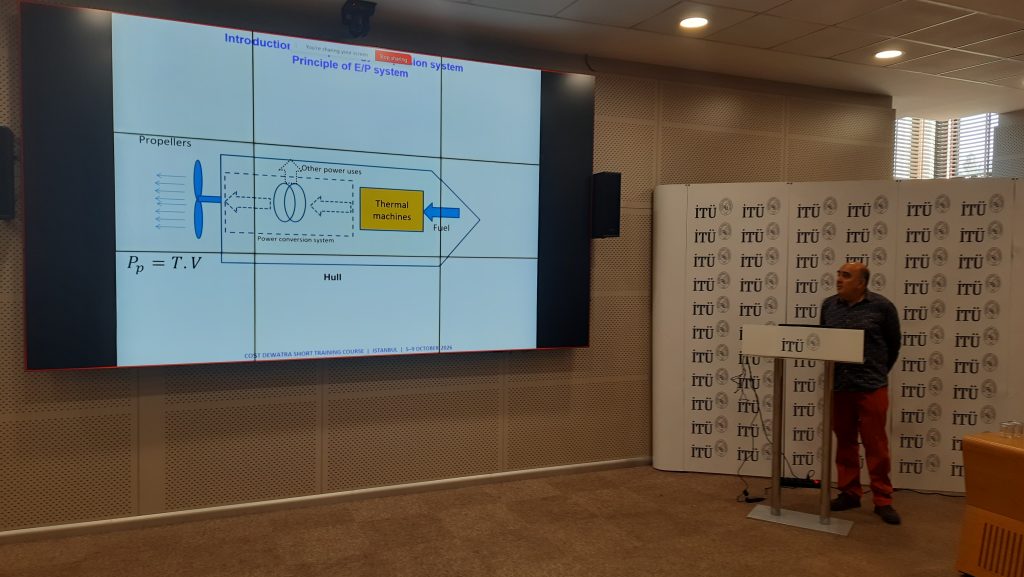
Prof. Jean-Fédéric Charpentier delivered two lectures on electrical and e-hybrid marine propulsion systems, exploring their role as a pathway towards ship decarbonisation.
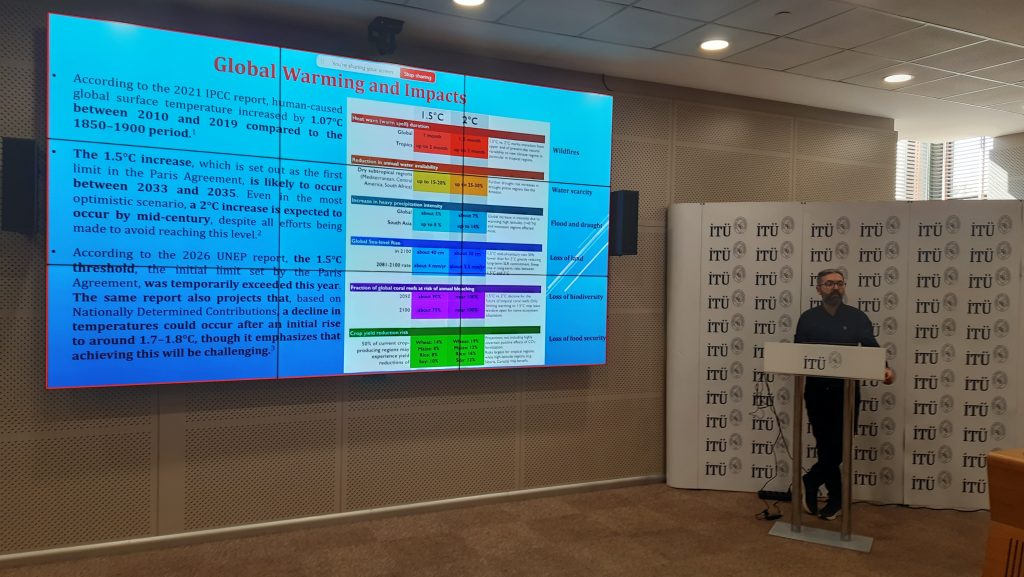
Prof. Levent Bilgili addressed the International Maritime Organization’s role and regulatory frameworks for maritime decarbonisation. His additional lecture focused on the life-cycle assessment of alternative marine fuels, examining Well-to-Wake (WtW) methodologies for evaluating emissions across the fuel pathway, from production to use on board.
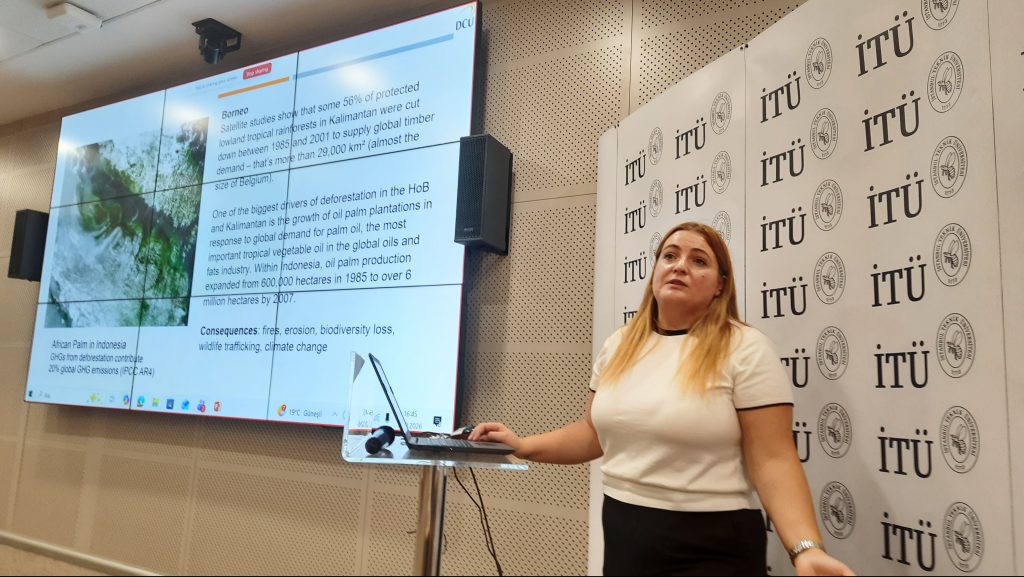
Prof. Marina Efthymiou explored the topic “From ReFuelEU Aviation to FuelEU Maritime” across two sessions, addressing blending mandates, fuel availability and compliance strategies for transport decarbonisation.
Together, these lectures highlighted the importance of considering propulsion technology, fuel life-cycle impacts and regulatory compliance when assessing pathways towards cleaner shipping.
DEWATRA extends its appreciation to the lecturers for sharing their expertise, to participants attending on site and online, and to the ITU team for hosting the course.
The training continues until 9 October 2026, with further sessions on alternative fuels, propulsion systems, safety and ship-performance monitoring.
The course is organised within the framework of DEWATRA COST Action CA23159 – Decarbonising Waterborne Transportation. This Action is supported by COST – European Cooperation in Science and Technology.